

Promoting Pet Wellness: Annual Health Care for Our Local Pets
At The Pet Hospital of Madison, we stress preventive pet care, including annual physical exams, because we want your pet to have a healthy and long life, as we know you do, too. Preventive care results in protection from many of the most common pet diseases and it allows our veterinarians to detect and correct small issues before they develop into larger problems.
While 12 months may seem like a short time to us, it’s a significant expanse of time for your pet. Our pets age more rapidly than we do, so one year can make a big difference in your animal’s health. Your five-year old dog may still feel like your baby, but he’s already middle-aged!
What Happens at a Pet’s Annual Exam?
Our veterinarians will work with you to develop the best preventive care plan for your pet. Whether you have a young puppy or kitten, an adult pet, or an elderly animal, the experience of our doctors and staff will provide your pet with the best possible care.
At a typical annual exam, pets are provided with:
Complete Physical Exam
Our veterinarians will examine your pet from nose to tail and check eyes, lungs, abdomen, heart, joints, muscles, skin, and coat.
Oral Exam
Your pet’s teeth will be checked and any recommendations for at-home or in-hospital care will be given. Increasingly, the importance of pet dental care is recognized as an essential aspect of preventive pet care. The Pet Hospital of Madison has a reputation for providing the finest pet dental care, along with advanced procedures like bonding, complex extractions, pulpectomies, and root canals.
Parasite Prevention
All pets are checked for intestinal worms and blood parasites and preventive or treatment options are discussed.
Annual Bloodwork
We recommend annual blood work, which provides clues to how the body and its internal systems are functioning. Blood tests screen for liver and kidney disease, infections, diabetes, thyroid issues, and more. Blood panels can provide the first clue that something is amiss, meaning faster treatment. Early treatment is less invasive, less costly, and often aids your pet’s recovery.
Vaccinations
Vaccinations are one important component of preventive health care for pets, and our veterinarians will assist you in evaluating your pet’s unique risk factors according to his or her species, breed, age, and activities in order to select the best vaccination protocol.
If any further evaluation is required based on your pet’s condition or age, our doctors may recommend testing such as blood work, skin cytology, urinalysis, or other diagnostics.
Pet Vaccinations: Protecting Pets from Infectious Diseases
Your pets’ first vaccinations begin when they are puppies or kittens, and they receive boosters throughout their adult life. Vaccines protect against some of the most damaging and oftentimes fatal illnesses pets can encounter.
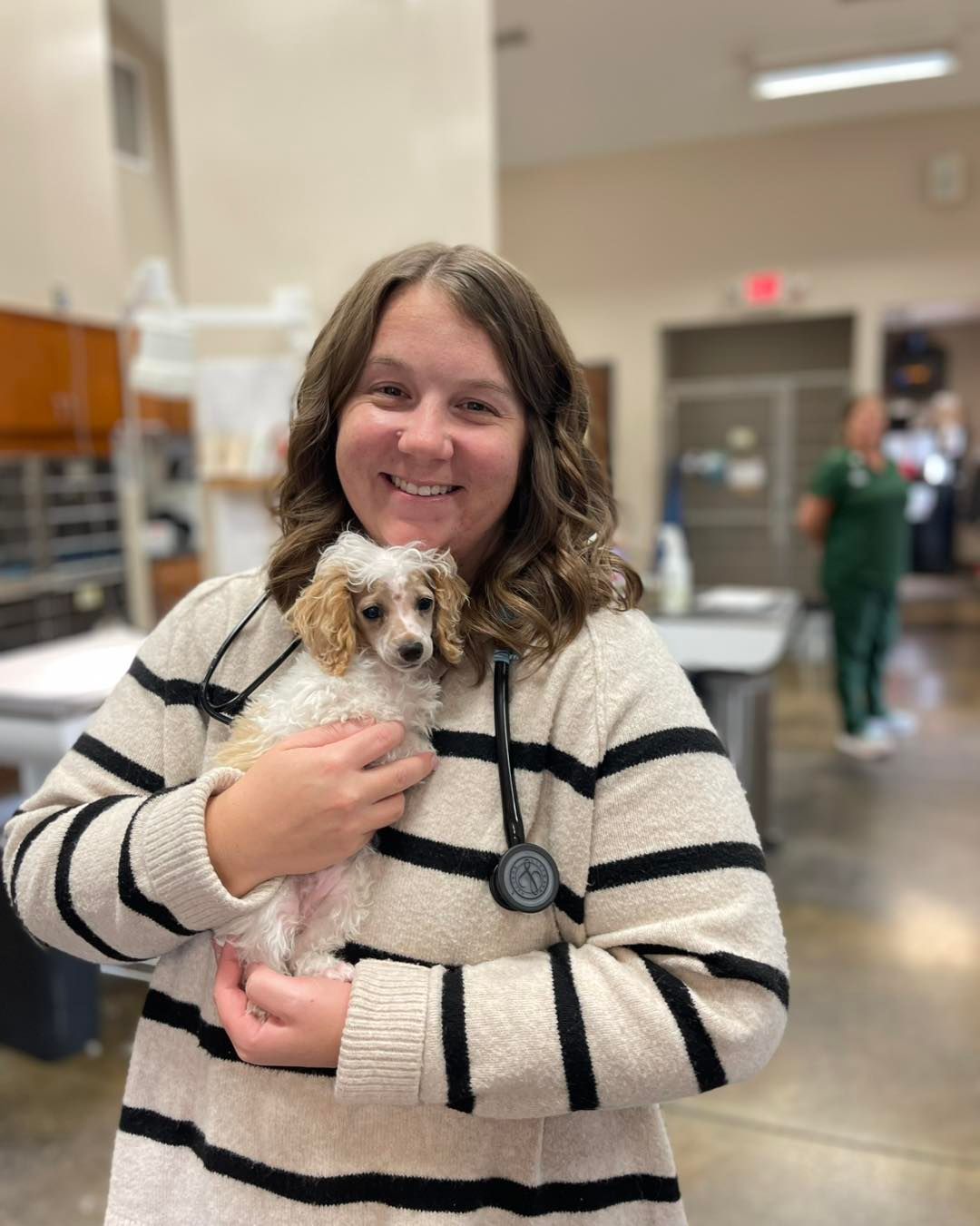
How Do Pet Vaccines Work?
Similar to human vaccinations, pet vaccinations use the pet’s own immune system to provide protection against disease. Each vaccine contains a part of the disease-causing agent that cannot actually cause the disease, but that will “teach” the pet’s immune system what to watch for and how to fight it. The pet’s immune system makes antibodies and retains a memory of the disease so that the pet’s system will eliminate the disease before it has a chance to make the pet sick.
My Pet Doesn’t Go Outside—Does He or She Still Need Vaccinations?
Yes. Pet diseases can be carried indoors on the clothing or shoes of the people living in the house. Regular vaccinations protect your pet whether he or she stays at home or travels the world.
Which Vaccines Does My Pet Need?
The veterinarians of The Pet Hospital of Madison will evaluate your pet’s species, breed, age, and risk factors to help you select the most appropriate and beneficial vaccinations. Our general recommendations for most pets include:
Adult Dogs
- DHP-P combination—This vaccine protects dogs against distemper, hepatitis, parvovirus, and parainfluenza.
- Leptospirosis—Most commonly contracted when dogs come in contact with infected water, soil, or urine from another infected animal. Leptospirosis is caused by a bacteria that can also spread to humans.
- Bordetella—Also known as kennel cough, the bordetella vaccination protects pets from an upper respiratory disease that spreads when dogs come in contact with other infected dogs.
- Rabies—Rabies is a fatal disease that can be transmitted to humans. Vaccinating for rabies is mandated by state law.
Adult Cats
- FVRCP combination—This vaccination protects cats from rhinotracheitis, panleukopenia, and calicivirus.
- Feline leukemia—With no cure for this debilitating and fatal disease, cats at risk benefit significantly from the protection offered by regular vaccination.
- Rabies—This fatal disease can also afflict humans, and vaccination of pets is mandated by state law.
Personalized Nutrition Guidance & Support
Proper nutrition is one of the most important foundations of your pet’s health. Our veterinary team provides personalized nutrition guidance to support pets at every life stage—from growing puppies and kittens to senior pets, and those with medical conditions.
No two pets are the same. We consider your pet’s age, breed, lifestyle, weight, and health status to help recommend a diet that supports long-term wellness and quality of life.
Medical & Therapeutic Diets
Nutrition plays a key role in managing many health conditions. We offer dietary support for pets with:
- Weight management needs
- Gastrointestinal disorders
- Kidney or urinary disease
- Diabetes and endocrine conditions
- Food sensitivities or allergies
- Skin and coat concerns
When needed, we recommend prescription or therapeutic diets as part of a comprehensive treatment plan.
Weight Management & Preventive Care
Maintaining a healthy weight can reduce the risk of chronic disease and improve mobility, energy, and comfort. We provide weight assessments, feeding recommendations, and ongoing support to help pets reach and maintain a healthy body condition.
Feeding Questions? We’re Here to Help.
Confused by pet food labels, supplements, or feeding trends? Our team is happy to answer questions and help you make informed, evidence-based nutrition choices for your pet.
For your convenience, The Pet Hospital of Madison carries Royal Canine and Purina Veterinary pet food and will assist you in determining if a prescription diet would benefit your pet.
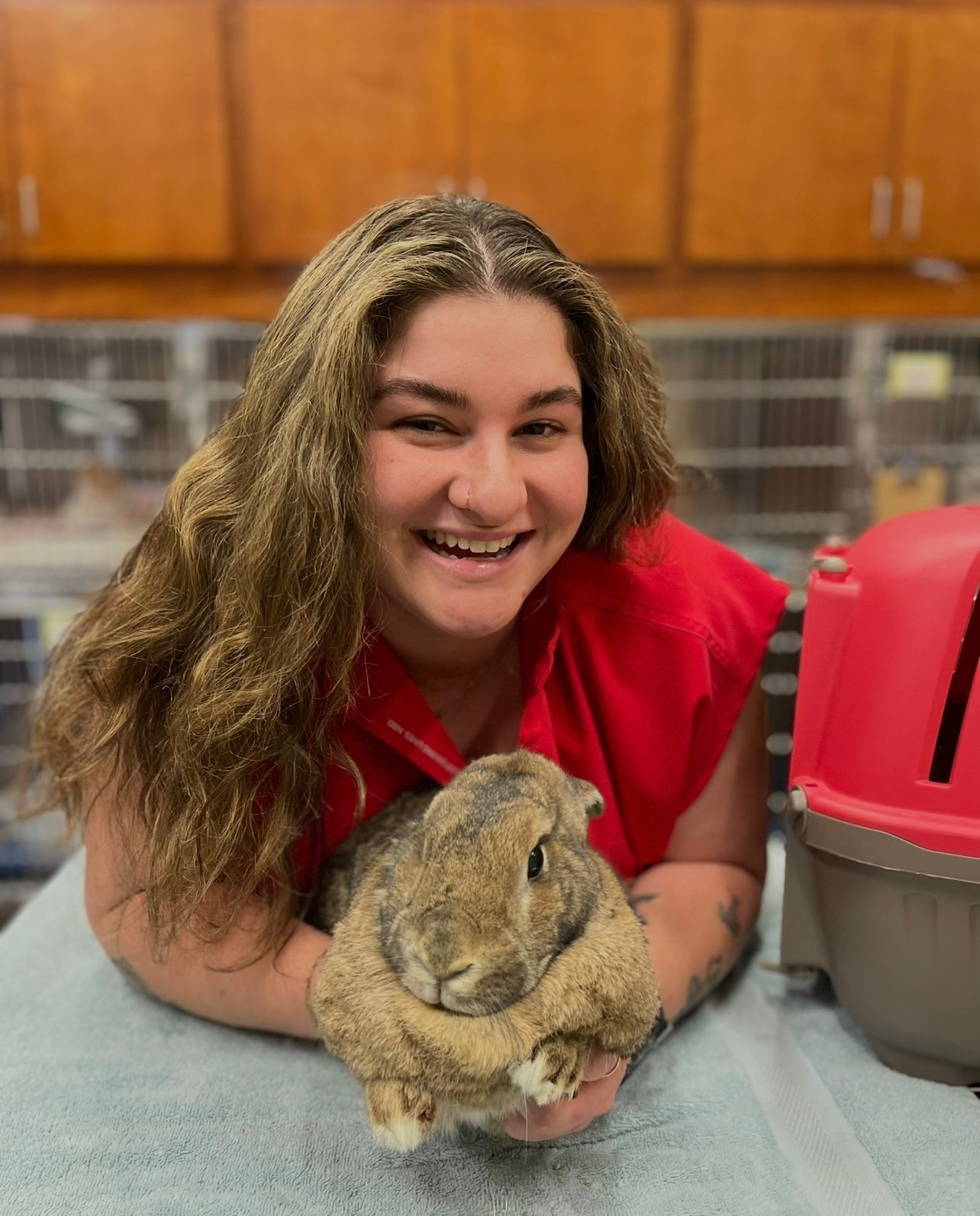
What Kind of Preventive Care is Available for Pocket Pets?
The Pet Hospital of Madison highly recommends yearly physical exams for all pocket pets. With the exception of ferrets, most pocket pets do not need vaccinations, but they do benefit from being regularly examined the same way that dogs and cats do.
Understanding the specific care needs of your pocket pet is very important for continued quality and length of life. The American Association of Animal Hospitals provides excellent information on pocket pet care, and our veterinarians and staff are always happy to answer your questions.
Book Your Pet’s Next Appointment
It is never too late to get your pet started with wellness and preventive care. Call us at (256) 232-2289 to book your pet’s appointment. Our team is also available to help with questions if you have them.